How to choose a good commercial roofing contractor: A Complete 2026 Guide
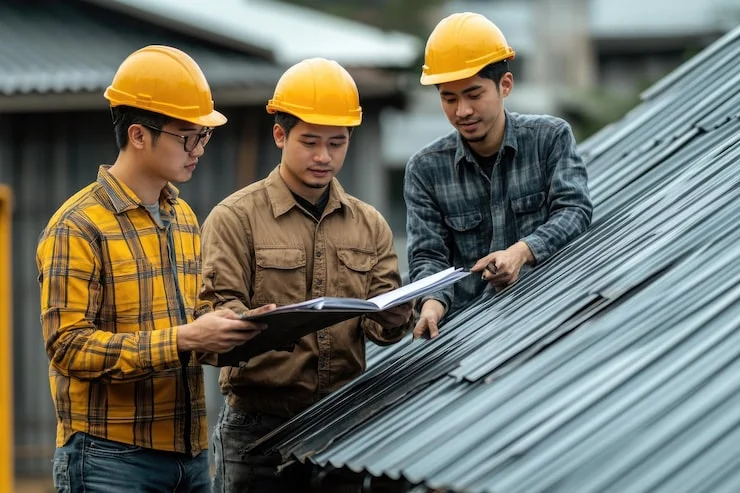
Knowing how to choose a good commercial roofing contractor is one of the most important calls a building owner or facility manager makes. Your roof protects your team, your equipment, your inventory, and your daily operations, so the wrong company can mean shoddy workmanship, a voided manufacturer warranty, and costly damage to the building below. The right one becomes a long-term partner who protects your investment for decades.
The Orlando Roofing is a free matching service that connects business owners with independent, licensed, insured contractors who work on flat and low-slope buildings across Central Florida. Below are the nine factors worth weighing, the questions to ask, the red flags to avoid, and what the job should cost, so you can hire with confidence and look beyond the estimate.
What Does a good Commercial Roofing Contractor Do?
Before we cover how to choose a commercial roofing contractor, it helps to know what one does. A commercial roofing contractor installs, repairs, and maintains the roofing systems on business buildings, warehouses, retail centers, offices, and other large structures.
The work is very different from residential roofing. It usually involves large flat or low-slope surfaces, complex drainage, and single-ply membranes like TPO, EPDM, and PVC, along with modified bitumen, built-up roofs, metal roofing, and roof coatings. A good commercial roofer also coordinates around an occupied building, keeps tenants and customers safe, and limits disruption to your operations while the work happens.
How to Choose a Commercial Roofing Contractor in 9 Steps
Work through all nine factors before you sign anything. Together they separate a qualified commercial roofing company from a risky one.
1. Verify Licensing, Insurance, and Bonding
Before you talk price, confirm the contractor is legally and financially covered. Ask for a valid roofing license for Florida, general liability insurance to cover accidental damage to your property, and workers compensation to protect you if a crew member is hurt on the job.
Request proof directly from their insurance provider, not just a printout. Bonding adds another layer of protection on larger projects. A free matching service that connects homeowners with licensed roofing contractors and insured roofer is the baseline, and any contractor who hesitates here should be crossed off.
2. Look for Experience With Your Type of Building and Roof System
Not all commercial roofs are the same. A contractor who does well on warehouses may not be right for an office, a retail plaza, or a complex retrofit. Ask how many years they have worked in commercial roofing specifically, and whether they have handled your building type, your roof size, and the exact system being proposed, whether the system is TPO, EPDM, PVC, modified bitumen, or metal. Experience with similar conditions leads to fewer surprises during installation.
3. Choose a Local, Established Contractor
A local commercial roofing company knows the Florida Building Code, understands Orange County permits, and can reach you fast for warranty work or an emergency. Local contractors also have a reputation to protect in the community.
Be cautious with storm-chasing crews who appear after a hurricane and disappear once the check clears. A permanent physical office and a long local track record are strong signs the company will be around to honor its work.
4. Check Reviews, References, and Past Projects
A reputable commercial roofer is proud of its work. Ask for a portfolio of past commercial jobs similar in size and scope to yours, plus a list of recent references. Call the references and ask about the contractor’s timelines, communication, how they handled unexpected issues, and cleanup.
Read online reviews and check the company’s Better Business Bureau rating. Repeat customers and long-term clients are a stronger signal of quality than any marketing claim.
5. Compare Written Quotes (Not Just Price)
Never rely on a verbal estimate. Request detailed written proposals from three to five contractors. A professional proposal spells out the scope of work, material specifications, tear-off assumptions, timeline, payment terms, and warranty coverage in plain language.
Be wary of any bid coming in far below the others. A low number usually means something was left out, whether cheaper materials, skipped steps, or missing insurance. Compare value, not just cost.
6. Ask Who Will Actually Manage the Project
In commercial roofing, coordination matters as much as installation. Find out who your daily point of contact will be, who supervises the crew on site, and how changes or unexpected conditions get handled.
A clear project manager and a structured communication plan keep the job on schedule and reduce disruption to your building. Ask how they plan to control noise, dust, and access so your business keeps running.
7. Confirm Safety Standards and Quality Control
Roofing is a high-risk trade, and a commercial site has crews, equipment, and other trades all at once. A reliable contractor can clearly explain their safety program, OSHA compliance, crew training, and daily cleanup process, since tear-offs create heavy debris able to endanger your staff or customers. Ask how quality is checked during installation. Consistent safety and quality processes lead to more consistent results.
8. Understand the Warranty (Workmanship vs. Manufacturer)
Warranties only help when you understand them. There are two kinds: a manufacturer warranty covers the roofing material, and a workmanship warranty covers the contractor’s installation. Manufacturer certifications from brands like GAF, Carlisle, Firestone, or Johns Manville let vetted contractors offer stronger extended system warranties uncertified roofers cannot. Ask what each warranty covers, what voids it, and what documented maintenance keeps it valid.
9. Judge Their Communication and Professionalism
How a contractor communicates before the job predicts how they will perform during and after it. Look for a commercial roofer who listens, responds quickly, explains complex systems in plain terms, and documents the work with photos and reports.
Clear communication reduces misunderstandings, keeps the project on track, and matters most when an emergency hits. Slow replies and vague answers now usually mean bigger problems later.
Questions to Ask Before You Hire a Commercial Roofing Contractor
A big part of how to choose a commercial roofing contractor is asking the right questions. Use the checklist below when you meet each contractor. The answers reveal a lot:
- How many years have you worked on commercial roofs like mine?
- Are you free matching service that connects homeowners with licensed roofing contractors, insured, and bonded, and can I see proof?
- Which roofing systems do you specialize in, and are you manufacturer certified?
- Who will manage my project day to day?
- How do you handle unexpected problems found mid-project?
- What does your warranty cover, and what maintenance keeps it valid?
- How will you protect my building and minimize disruption to my business?
- What is your plan for bad weather and daily cleanup?
- Can you provide references from similar commercial clients?
Red Flags to Watch Out For
Learning how to choose a commercial roofing contractor also means knowing who to avoid. Certain warning signs should stop you from signing. Walk away from a contractor who:
- Pushes high-pressure sales tactics or demands full payment upfront.
- Has no permanent physical office or cannot provide documentation.
- Gives a vague, one-page estimate with no scope or material details.
- Bids far below everyone else, which often hides cut corners.
- Subcontracts the work out to unverified crews.
- Cannot clearly explain their safety program or warranty terms.
- Only does residential work and treats your commercial roof like a house.
Commercial vs. Residential Roofing Contractors: What Is the Difference?
Commercial roofing is not simply a bigger version of residential roofing. Commercial roofs are usually flat or low-slope and use single-ply membranes, coatings, or metal, while homes use sloped shingle or tile systems. The stakes are higher too. A commercial project has to work around an occupied building, meet stricter code and safety rules, manage complex drainage, and coordinate with other trades.
A contractor who mostly does homes may not understand the detailing at seams, edges, penetrations, and the building envelope, the details deciding whether a flat roof lasts. When you weigh how to choose a commercial roofing contractor, hiring a true commercial specialist is the safest choice for a business building.
What Commercial Roofing Services to Expect
A full-service commercial roofer should handle more than one job. Look for a company offering installation and roof replacement, commercial roof repair and leak detection, flat and TPO roofing, roof coatings to extend service life, and scheduled maintenance. Ask whether they provide spring and fall inspections to clear drains, check flashing, and catch small issues before they turn into expensive leaks. A contractor offering ongoing commercial roof maintenance plans to stick around, not install and disappear.
How Much Does Commercial Roofing Cost?
Cost is part of how to choose a commercial roofing contractor, though it should never be the only factor. Commercial roofing is priced per square foot, and the number depends on the system, roof size, condition, and access. As a rough guide, a coating or restoration often runs a few dollars per square foot, while a full membrane or metal replacement costs more.
The important point is to compare quotes on scope and materials, not price alone, and to get an itemized written proposal so you know exactly what is included. A free roof inspection gives you an accurate number for your building instead of a phone guess.
Why Orlando Businesses Trust The Orlando Roofing
When it comes to choosing a commercial roofing contractor in Central Florida, local knowledge is a real advantage. A good local contractor knows how Orlando heat, humidity, and hurricane season stress a flat roof, pulls Orange County permits correctly the first time, and builds to the Florida Building Code, which is stricter here for good reason. Look for a contractor who documents every job with photos and a written report, offers honest repair-or-replace guidance instead of pressure, and backs the work with a workmanship warranty.
Conclusion:
In the end, learning how to choose a good commercial roofing contractor comes down to a few things: proven commercial experience, proper licensing and insurance, system knowledge over brand names, transparent written pricing, strong safety and warranty practices, and clear communication. Focus on the contractor who understands your building and your long-term goals, not just the one with the lowest number. The cheapest bid is rarely the best value once the roof is on and the warranty is being tested.