What Is the Most Durable Roofing Material? (2026 Guide)
The most durable roofing material overall is natural slate, which can last 75 to 150 years. Right behind it are metal, clay tile, and concrete tile, all of which can protect a home for 50 years or more. There is no single right answer for every house, though, because the best choice depends on your climate, your budget, and how much weight your roof can carry. This guide compares each option by lifespan, strengths, and cost, and points out the best picks for Florida homes.
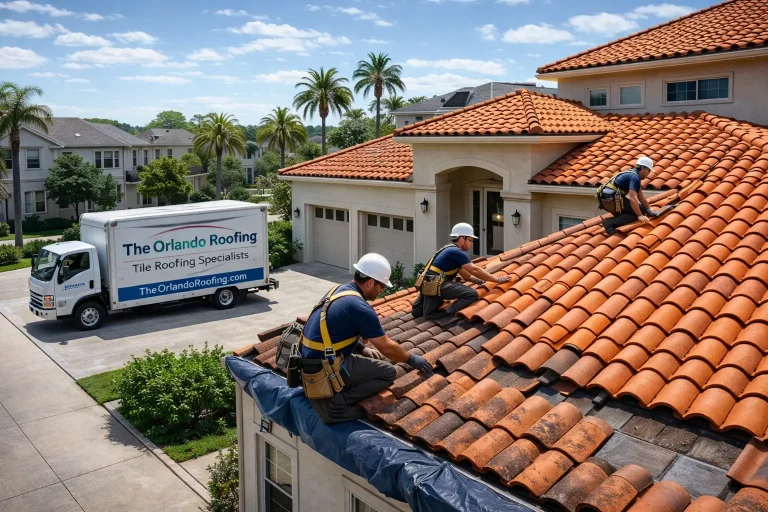
The Orlando Roofing is a free matching service that connects homeowners with independent, licensed, insured contractors who install and repair these materials across Central Florida every week. Here is a breakdown of each option so you can pick a roof that lasts.
What Are the Most Durable Roofing Materials?
In order of longevity, the most durable roofing materials are slate, metal, clay tile, concrete tile, and synthetic composite. Each resists fire, wind, and weather far better than standard asphalt shingles, and each can outlast two or three shingle roofs. The tradeoffs come down to weight, cost, and how each one handles your local climate. The table below shows how they compare.
Most Durable Roofing Materials: Lifespan Comparison
| Roofing material | Typical lifespan | Key strengths | Watch-outs |
|---|---|---|---|
| Slate | 75 to 150 years | Fireproof, resists mold and rot, natural stone | Very heavy, high cost, needs reinforcement |
| Copper metal | 100+ years | Lasts a lifetime, develops a patina | Premium cost |
| Metal (standing seam) | 40 to 70 years | Wind, fire, and pest resistant, lightweight, energy efficient | Higher upfront cost than shingles |
| Clay tile | 50 to 100+ years | Fireproof, low water absorption, color never fades | Heavy, needs framing support |
| Concrete tile | 50 to 75 years | Handles winds up to 200 mph, fire resistant | Heavy, absorbs more moisture than clay |
| Synthetic / composite | 30 to 50+ years | Impact and hail resistant, lightweight, low maintenance | Newer product, quality varies by brand |
| Wood shake (cedar) | 30 to 50 years | Natural insect resistance, classic look | Needs upkeep, not ideal in wet climates |
| Asphalt shingles | 15 to 30 years | Low cost, easy to install and repair | Shortest lifespan, less storm resistant |
| TPO / PVC (flat roofs) | 20 to 30 years | Strong single-ply membranes for low slope | Shorter life than metal or tile |
The Most Durable Roofing Material, Ranked
A closer look at each option, starting with the longest lasting.
Slate: The Most Durable Roofing Material Overall
Slate is the toughest roofing material you can buy. Because it is natural stone cut into individual tiles, a slate roof easily lasts over 100 years and resists fire, mold, rot, and harsh weather. Its non-porous surface barely absorbs water, which is why it holds up so well over time. The catch is weight and cost. Slate is very heavy, so it needs a reinforced structure and professional installation, and it is one of the most expensive roofs on the market.
Metal Roofing: The Best All-Around Value
Metal roofing, in steel, aluminum, or copper, is the best balance of durability and value for most homes. A metal roof lasts 40 to 70 years, and copper can pass 100. It stands up to high winds, fire, and pests, sheds rain easily to prevent leaks, and reflects sunlight to lower cooling costs.
It is also lightweight, so it rarely needs extra structural support. Standing seam is the most durable metal style because its fasteners are hidden. See our metal roofing page for more.
Clay and Concrete Tile
Clay and concrete tile are built for hot, harsh climates, which makes them a strong fit for Florida. Clay tile lasts 50 to 100 years or more, resists fire and insects, and never fades because the color runs through the tile. Concrete tile lasts 50 to 75 years and can handle very high winds, though it absorbs more moisture than clay and benefits from sealing. Both are heavy and may need added framing. Our tile roofing page covers both in depth.
Synthetic and Composite Shingles
Synthetic or composite shingles are engineered from polymers or recycled material to copy the look of slate or wood shake at a fraction of the weight. They last 30 to 50 years or more, resist cracking, fading, and hail impact, and need little maintenance. Because they are light, they do not require the heavy framing natural slate and tile need, so they suit many homes as a practical upgrade.
Asphalt Shingles
Asphalt shingles are the most common shingle roofing choice because they are affordable and easy to install and repair. Standard 3-tab shingles last 15 to 20 years, and architectural shingles last 25 to 30 or more. They are the least durable option here, but for a tight budget they still provide solid protection, especially in impact-resistant grades.
Most Durable Roofing Materials for Homes in Florida
Florida changes the math. Between intense UV, high humidity, daily summer rain, and hurricane season, the most durable roofing materials for a Florida home are usually metal and tile. Metal handles hurricane winds and reflects heat, while clay and concrete tile shrug off sun and storms and last for decades.
Metal and tile also rank as the most durable roofing materials for a wet climate, since they shed water well and resist the mold and rot humidity encourages.
For harsh weather in general, the ranking holds: slate, metal, and tile top the list because they resist wind, fire, and water better than lighter materials. Whatever you choose, it only reaches its rated lifespan when it is installed to the Florida Building Code by a free matching service that connects homeowners with licensed roofing contractors roofer, with proper underlayment and ventilation underneath.
Most Durable Commercial and Flat Roof Materials
Flat and low-slope roofs, common on commercial buildings and modern homes, use different products. Among single-ply membranes, PVC and TPO are the most durable commercial TPO roofing materials and their close cousins, lasting about 20 to 30 years with strong resistance to chemicals, heat, and weather. EPDM rubber and modified bitumen are other common choices.
For the most durable flat roof material overall, standing seam metal outlasts them all on a low slope when the design allows it. Our TPO and flat roofing page explains the options.
How to Choose the Right Roof for Your Home
Three factors decide the best pick for you:
- Structural support. Slate and tile are heavy and may need reinforcement. If your home cannot carry the weight, metal or composite is the lighter, most durable residential roofing material choice.
- Climate. In Florida’s heat and humidity, metal and tile perform best. Some materials do well up north, like certain wood or tile in freezing regions, but are not the right fit here.
- Budget. Slate and clay cost the most upfront but rarely need replacing. Metal sits in the middle with a long life. Asphalt is cheapest to install but wears out soonest, so you may pay for it two or three times over the same period.
The best way to decide is a professional roof inspection, where a contractor looks at your home’s structure, style, and budget and recommends the right material. When you’re ready, a roof replacement contractor can handle the rest.
Conclusion:
For sheer longevity, slate is the most durable roofing material, followed closely by metal, clay tile, and concrete tile. The right pick for your home comes down to three things: how much weight your structure can carry, your local climate, and your budget.
In Florida, metal and tile give the best mix of storm resistance and long life, while asphalt shingles stay the budget option. Whatever material you choose, it only performs as promised when a free matching service that connects homeowners with licensed roofing contractors roofer installs it to code, with sound underlayment and ventilation underneath. A professional inspection is the fastest way to match the right roof to your home.