What Is EPDM Roofing? A Complete Guide (2026)
EPDM roofing is a single-ply synthetic rubber membrane used to waterproof flat and low-slope roofs. EPDM stands for ethylene propylene diene monomer. It rolls out in large black or white sheets and lasts 20 to 30 years. Also called EPDM rubber roofing, it is a top choice for commercial buildings, garages, and RVs.
The Orlando Roofing is a free matching service that connects homeowners with independent, licensed, insured contractors who install and repair flat roofing systems across Central Florida. Below is a full guide to what EPDM is, what it is made of, its pros and cons, the colors and coatings available, what it costs, and how it compares to other flat roof options.
What Is EPDM Roofing Made Of?
EPDM roofing material is synthetic rubber made from ethylene and propylene (from oil and natural gas) plus a diene compound. The result resists UV and ozone and lasts for decades.
It comes in three thicknesses: 45, 60, and 90 mil. Thicker sheets resist impact better. A 60 mil membrane weighs only about half a pound per square foot, so it adds very little load.
What Is EPDM Roofing Used For?
Because it is waterproof, lightweight, and comes in wide rolls, EPDM works best on flat and low-slope surfaces. Common uses include:
What Is an EPDM Roof System?
An EPDM roof system is the full assembly: the roof deck, insulation, the EPDM membrane, and the adhesive, fasteners, or ballast holding it down, plus the flashing and seam tape. The membrane waterproofs, and how it is attached decides how it handles wind and time.
EPDM Roofing Pros and Cons
Like any roofing material, EPDM has clear strengths and a few weak points.
Pros
Cons
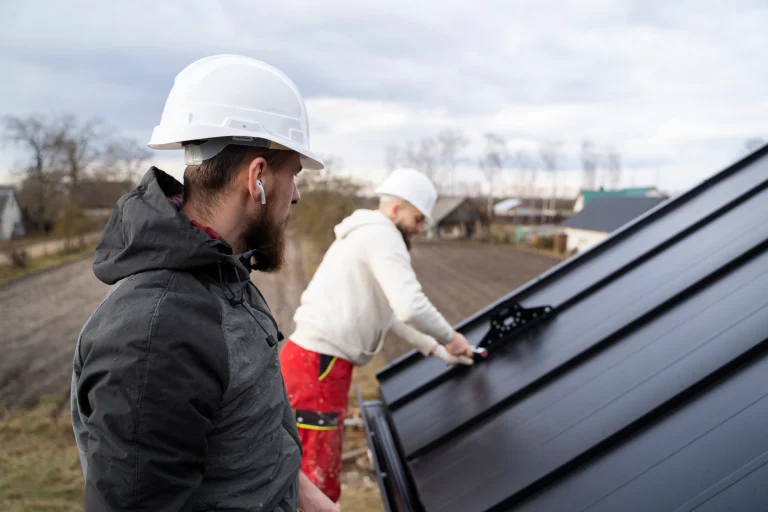
How Is EPDM Roofing Installed?
There are three ways to install an EPDM membrane, and the right one depends on the building and the budget.
Whichever method is used, the seams and flashing are where quality matters most, so the work calls for an experienced crew.
What Color Is EPDM Roofing?
EPDM roofing comes mainly in black and white, with gray from some brands. Black absorbs heat, which suits cold climates but raises cooling costs in the sun. White is a reflective cool roof that lowers air conditioning bills. For hot states like Florida, white is usually the smarter pick.
What Is EPDM Roof Coating?
An EPDM roof coating is a liquid layer rolled or sprayed over the membrane to seal cracks, cover aging seams, and add a fresh waterproof surface. It adds years of life for far less than a replacement, and a reflective coating also cools the roof. A roof coating contractor can handle the restoration.
What Is the Best EPDM Roof Coating?
The best EPDM roof coating is usually a silicone or acrylic elastomeric coating. Silicone is best where water ponds; acrylic is the value pick on a well-draining roof; liquid rubber suits small jobs and RV roofs. The roof must be clean and the seams sound first, or the coating will not bond.
What Is an EPDM RV Roof?
An EPDM RV roof is the same rubber membrane used on many motorhomes, campers, and trailers. It is light and flexible, ideal for a moving vehicle. Care for it with an EPDM-safe cleaner (no petroleum products), and reseal the seams and vents yearly. A liquid rubber coating can refresh a worn RV roof.
How Much Does EPDM Roofing Cost?
EPDM roofing usually costs about $6 to $8 per square foot installed, though simple jobs can run less and complex ones more. Below is how it compares to other common roofing materials:
| Roofing material | Typical cost per sq ft (installed) |
| Asphalt shingles | $3.50 to $5 |
| EPDM | $6 to $8 |
| TPO | $6 to $9 |
| Tile | $8 to $12 |
| Metal | $7 to $13 |
| Slate | $20 to $25 |
EPDM sits among the more affordable flat roof options, which is a big reason it stays popular for large commercial buildings.
EPDM vs. TPO vs. PVC
EPDM, TPO, and PVC are the three main single-ply membranes for flat roofs, and each has a place.
For many Florida buildings, a reflective TPO or white EPDM makes more sense than black EPDM, because of the heat.
Is EPDM Roofing Good for Florida?
Now that you know what is EPDM roofing, the fair question is whether it suits our climate. EPDM performs well in Florida’s UV and rain, and its durability and easy repairs are real advantages during storm season. Plenty of local flat roofs already rely on what is EPDM roofing at its core: a tough, low-cost rubber membrane.
The main thing to weigh is heat. A black membrane gets very hot under the Florida sun and can push up cooling bills, so a white or coated reflective EPDM is the better choice here. For a low-slope or flat roof on a Central Florida home or business, EPDM is a solid, budget-friendly option, and a commercial roofing inspection will confirm whether it or a TPO system fits your building best.
Conclusion
To sum up what EPDM roofing is: a proven single-ply rubber membrane waterproofing flat and low-slope roofs for 20 to 30 years or more, at a lower cost than most alternatives. It is lightweight, durable, easy to repair, and available in a reflective white for hot climates.
The one trade-off is heat from the standard black sheet, solved by a white membrane or a reflective coating. If you have a flat roof and want to know whether EPDM, a coating, or a TPO system is right, a free inspection is the best next step.